
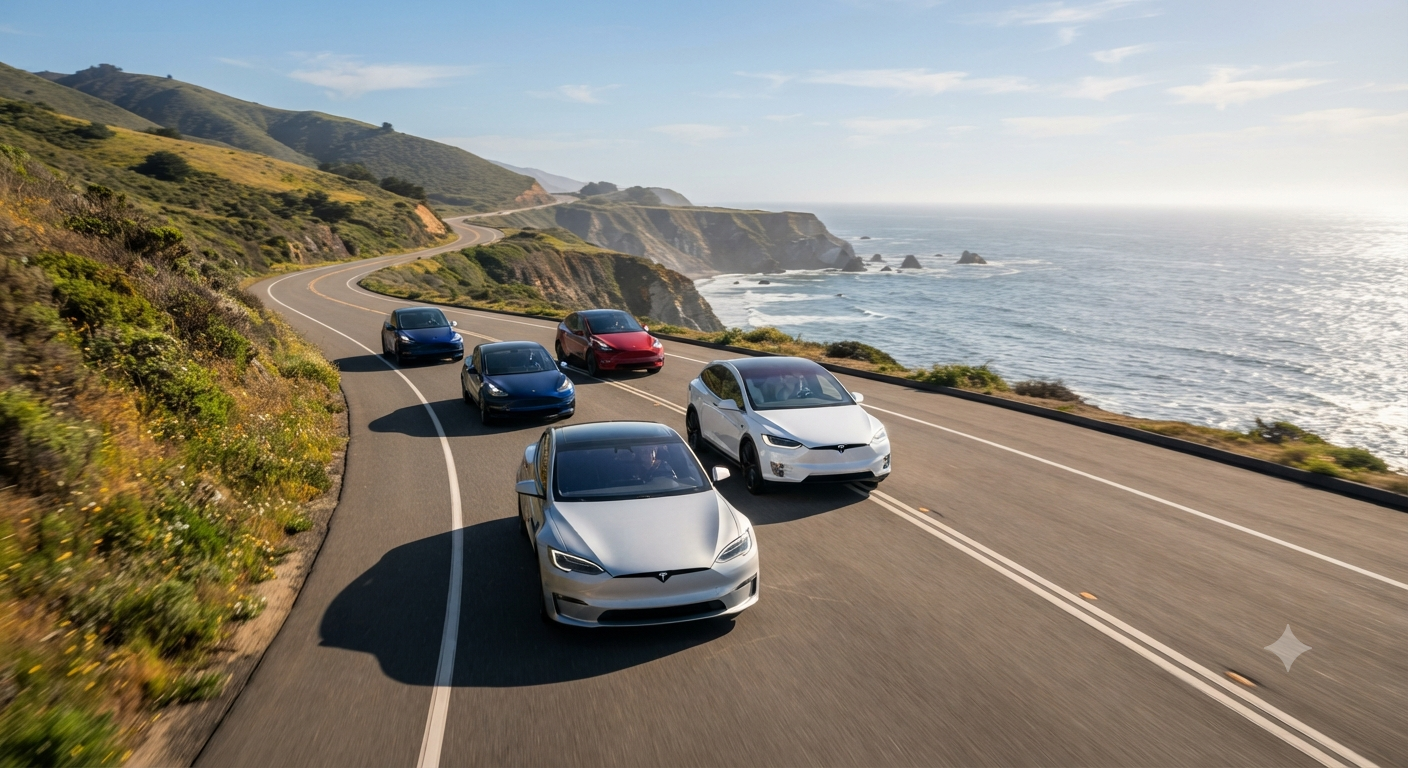
The year 2026 has become a pivotal turning point for Tesla, marked by the harmonious convergence of record-breaking vehicle deliveries and the bold, unsupervised expansion of its Robotaxi service. As of July 2026, Tesla has transitioned from a company valued largely on the “promise” of future technology to one demonstrating tangible, revenue-generating autonomous operations on public roads.
A Record-Breaking Quarter: The Financial Foundation
The momentum behind Tesla’s autonomy-first narrative is bolstered by a remarkably strong second quarter. Tesla reported 480,126 vehicle deliveries worldwide, a 25% increase compared to the previous year. This figure comfortably surpassed Wall Street’s consensus estimate of approximately 406,600 units, effectively silencing concerns regarding demand saturation and intensifying global competition.
- Core Volume: The Model 3 and Model Y remain the company’s primary engines, accounting for 467,762 of the total quarterly deliveries.
- Energy Storage: Tesla’s energy division also reached a historic milestone, deploying 13.5 gigawatt-hours (GWh) of battery storage, further diversifying its revenue streams beyond automotive sales.
These robust financial results have provided the necessary capital and stability to fuel Tesla’s aggressive expansion into autonomous ride-hailing services.
The Miami Milestone: Unsupervised Autonomy
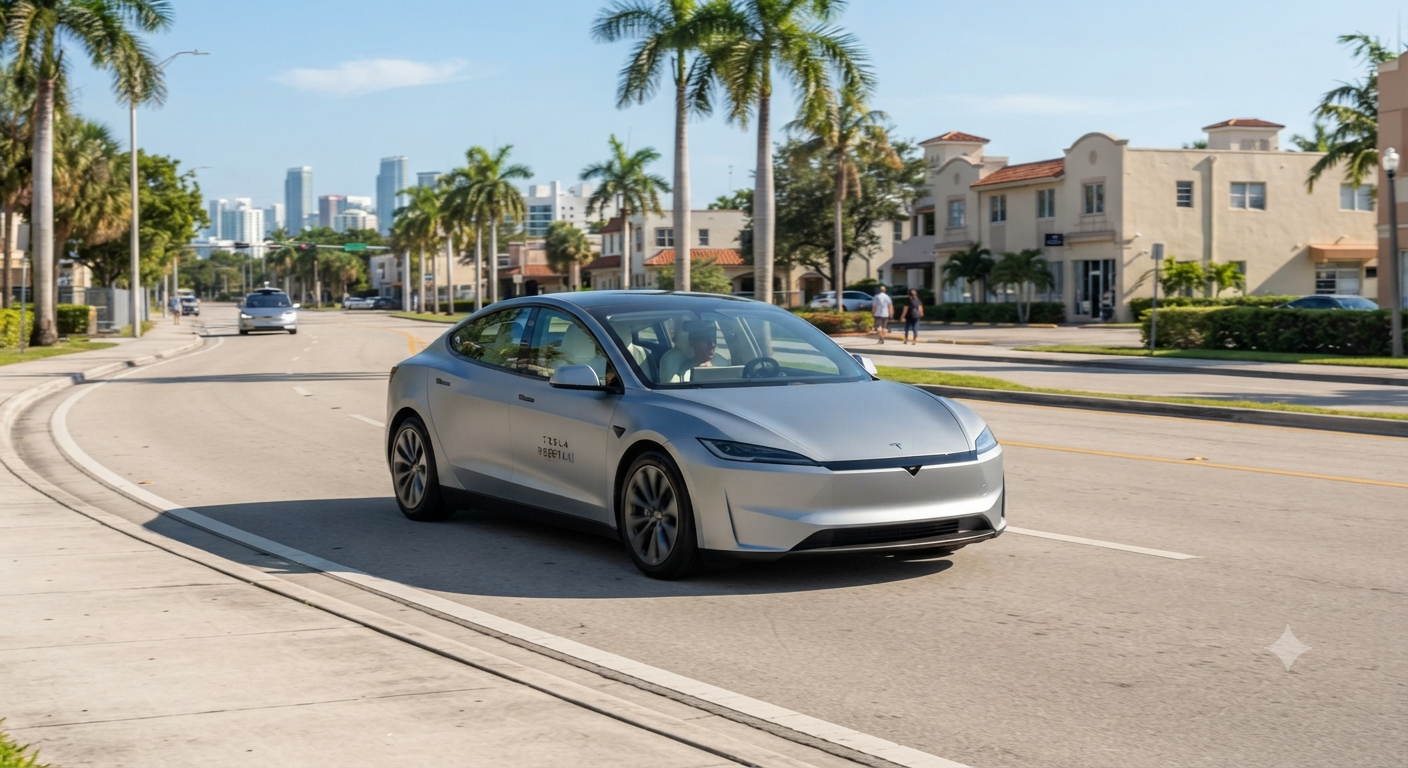
On July 3, 2026, Tesla officially launched its Robotaxi service in Miami, Florida—the third major market for the program following its rollouts in Texas and California. The Miami launch is distinct, however, due to a confirmation that represents a significant leap in Tesla’s technological confidence: the service operates on an entirely unsupervised basis.
Why “Unsupervised” Matters
In previous launches, such as in Austin in 2025, Tesla initially utilized human safety monitors in the passenger seats to oversee operations. The Miami rollout breaks this script, with the vehicles navigating traffic without any human intervention or remote oversight.
- Operational Scope: The service currently covers a geofenced area of approximately 10–14 square miles in western Miami-Dade County, including parts of West Miami, Doral, and Sweetwater.
- Technological Readiness: The ability to handle complex urban environments—including South Florida’s notorious traffic and unpredictable weather—without a human minder serves as a direct validation of Tesla’s vision-centric, camera-only approach.
A Crowded Competitive Landscape
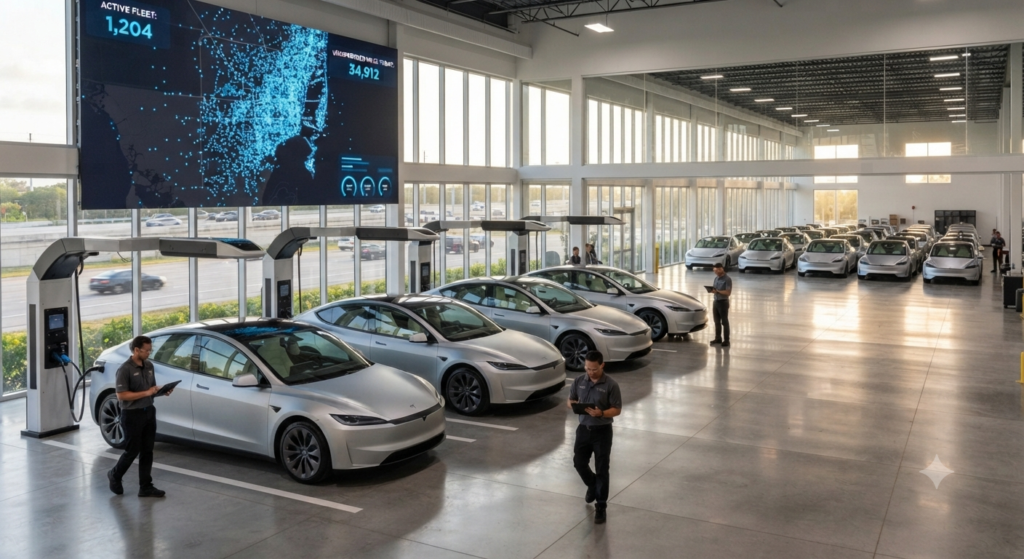
Tesla’s move into Miami is a strategic challenge to established players in the autonomous space, most notably Waymo, which began operations in the city earlier in 2026. While Tesla currently trails in terms of fleet scale, its deployment strategy is characterized by rapid, data-driven expansion. Reports from the ground indicate that Tesla is already staging dozens of vehicles, including the Cybercab, near Miami International Airport to prepare for future scaling.
The Path Forward
Tesla’s autonomy-first strategy is not limited to Miami. CEO Elon Musk has publicly stated goals to bring Robotaxi services to roughly a dozen states by the end of 2026, with cities in Florida, Arizona, and Nevada—specifically Orlando, Tampa, and Phoenix—highlighted as potential future destinations.
The success of these initiatives relies on the continued refinement of Tesla’s neural networks, which are powered by the vast amounts of data collected from its millions of vehicles worldwide. While regulatory oversight and public trust remain ongoing challenges, the Miami launch has moved driverless transportation from a theoretical concept to an active, daily reality for residents in the covered zones.
For investors and industry observers alike, the “autonomy story” that has been priced into Tesla’s valuation for years is finally backed by hard data and active commercial operation. As the geofences expand and the fleet grows, Tesla continues to redefine its identity—not just as an electric vehicle maker, but as the architect of a new autonomous mobility paradigm.


Leave a Reply